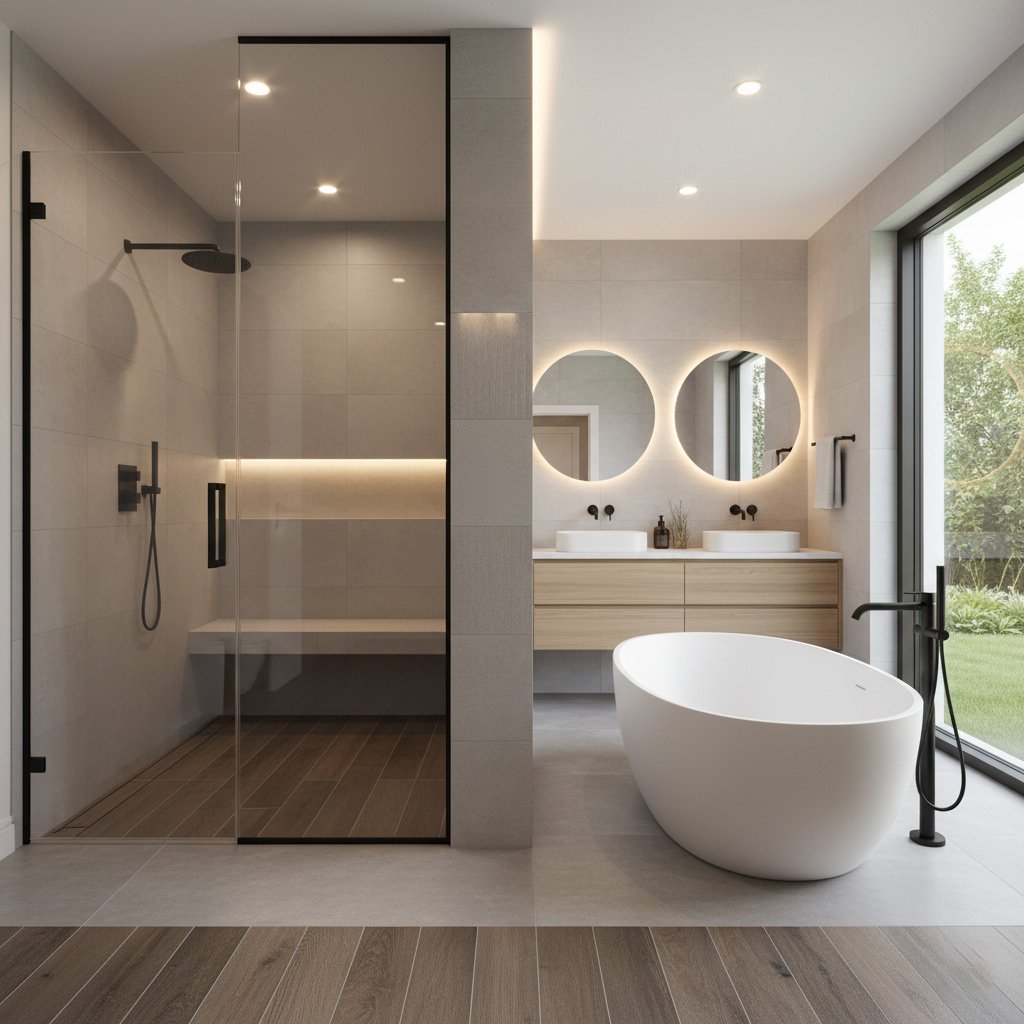
Imagine stepping into a brand‑new tub that looks like it was ripped from a luxury spa, yet your bank account didn’t scream “oops.” That feeling is the payoff when a shower‑to‑tub swap is done right, and it’s the exact result homeowners in Tucson crave.
Too often, DIY optimism collides with hidden plumbing quirks, code red‑flags, and the desert’s unique humidity swings. One missed permit or a mis‑sized drain can turn a simple upgrade into a money‑draining nightmare.
In Tucson, the hard‑water reality and strict building regulations mean you can’t just copy‑paste a plan from a rainy‑city blog. You need a playbook that respects the local soil, the city’s inspection timeline, and the way your home’s slab handles extra weight.
Ready to dodge the pricey pitfalls and keep your remodel on track? Keep reading and discover the exact steps that turn a risky conversion into a smooth, budget‑friendly success.
Understanding Tucson Building Codes & Permit Requirements for Shower‑to‑Tub Conversions
Before you swing a hammer, the City of Tucson wants to see a paper trail. The Building Department treats a shower‑to‑tub swap like any other plumbing remodel: you need a permit, you need to follow the code, and you need to be ready for an inspector’s flashlight. Skipping this step can mean a stop‑work order, a hefty fine, or worse—having to rip out the tub you just paid for.
What the City Wants
- Permit Application – Fill out the Residential Plumbing Permit form and attach a simple floor plan showing the new tub footprint.
- Plumbing Code Compliance – Tucson follows the 2021 International Plumbing Code (IPC) with local amendments. That means proper venting, trap sizes, and water‑supply line diameters.
- Structural Review – If you’re adding a heavier cast‑iron tub, the city may ask for a structural engineer’s sign‑off to prove the slab can handle the load.
Once the paperwork is in, expect a 5‑ to 10‑day review period. The inspector will pop by after the rough‑in is done, check the drain slope, verify the vent pipe is correctly sized, and make sure the new fixture meets the minimum clearance requirements. Miss one of those, and you’ll be back to the drawing board, paying for extra labor you could have avoided.
Evaluating Structural Integrity: Slab Foundations, Load‑Bearing Walls, and Floor Reinforcement
Slab Foundations
In Tucson most homes sit on a concrete slab that’s been baked under the desert sun. Before you drop a 150‑lb tub on it, you need to know if the slab can handle the extra load.
- Check the slab thickness – 4 inches is common, 5 inches is safer for heavy tubs.
- Look for cracks or settlement signs; any movement means you’ll need a repair before proceeding.
- Confirm the footings are continuous under the shower area; gaps can cause flexing.
Load‑Bearing Walls
The walls that support the floor are the unsung heroes of a conversion. If they’re not solid, the whole bathroom can start to sag.
- Identify which walls are load‑bearing – usually the ones perpendicular to the joists.
- Make sure there’s no hidden ductwork or wiring that will be disturbed.
- Reinforce with sister joists or steel plates if the tub adds more than 200 lb of live load.
Floor Reinforcement
Even a perfect slab can wobble when you fill a tub with water. Adding a reinforcement layer is cheap insurance.
- Install a plywood or cement backer board over the existing slab before the tub sits.
- Use a self‑leveling compound to smooth out low spots and distribute weight evenly.
- Seal the perimeter with a waterproof membrane to keep desert humidity from seeping in.
Plumbing Challenges in the Desert: Hard‑Water Solutions, Drain Sizing, and Venting
Hard‑Water Realities
Desert water leaves a mineral coat on every pipe, which can choke a new tub’s faucet and showerhead within months. Install a point‑of‑use water softener right before the tub’s supply line to keep calcium from building up.
Choose pipe materials that tolerate scale—copper is fine, but PEX with a smooth interior reduces friction and makes future cleaning easier.
Drain Sizing That Won’t Flood Your Floor
The drain must handle more volume than a shower’s linear drain, especially if you love long soaks. A 2‑inch PVC trap is the sweet spot for most standard tubs.
Don’t forget the slope: a ¼‑inch per foot drop toward the trap guarantees water slides away, not pools.
- Check local code for minimum pipe diameter (usually 2 inches).
- Use a clean‑out access point for easy maintenance.
- Seal all joints with solvent cement to prevent leaks.
Venting – The Unsung Hero
Without proper venting, you’ll hear gurgling noises and risk siphoning water out of the trap. A vent pipe that rises at least 6 inches above the tub’s rim lets air in and pressure out.
If running a traditional vent is impossible, an AAV (air‑admittance valve) can do the job, but it must be installed within 12 inches of the trap and inspected by the city.
Choosing the Ideal Tub and Fixtures for Tucson’s Climate and Space Constraints
Material Matters
Desert heat and hard water are a tough combo, so pick a tub that won’t turn into a chalky mess. Acrylic stays cool to the touch and resists mineral buildup, while cast iron holds heat like a champ but adds weight.
If you love a sleek look, consider a solid surface tub with a non‑porous finish. It wipes clean with a simple vinegar rinse—no special cleaners needed.
Size & Shape for Tight Floor Plans
Most Tucson homes sit on a slab, so every pound counts. A slim‑line alcove tub can slip into a narrow niche without demanding extra floor reinforcement.
For families that need space, a half‑oval or freestanding model adds luxury without hogging the entire room. Measure the clear opening, then subtract a few inches for grout and trim.
- Standard 60‑inch length – fits most bathrooms, minimal structural impact.
- 48‑inch compact – perfect for guest baths or tight corners.
- 70‑inch deep soak – requires floor reinforcement, but worth it for a spa feel.
Fixture Pairings That Beat the Desert
Choose a faucet with a ceramic‑disc valve; it handles hard‑water pressure without leaking. Look for a single‑handle design to keep the countertop clean and simple.
Install a low‑flow showerhead on the tub’s overflow side. It saves water, reduces humidity spikes, and keeps the bathroom from feeling like a sauna.
DIY vs. Professional Installation: Cost, Risks, and Timeline Considerations
Cost Comparison
Doing it yourself can shave a few thousand dollars off the bill, but the savings often evaporate when you hit unexpected hurdles.
Professional crews charge for labor, permits, and warranty coverage—usually a flat rate that protects you from surprise expenses.
- DIY: $1,200 – $2,500 for materials only.
- Pro: $4,000 – $7,500 all‑in, including permits and a 1‑year guarantee.
- Tip: Get three quotes and compare line‑item breakdowns before you decide.
Risk Factors
One mis‑aligned pipe can flood your slab, and a cracked tub base can crack the floor.
Licensed contractors carry insurance that shields you from liability if something goes sideways.
- Improper venting → sewer gases back‑flow.
- Undersized drain → slow draining, water damage.
- Missing permit → fines, forced re‑work.
Timeline Realities
A weekend warrior might finish the job in two days, but the city inspection schedule can add weeks.
Pros know the exact sequence: demolition, framing, plumbing, tile, finish—no wasted days.
- DIY: 3‑7 days, plus potential re‑inspection delays.
- Professional: 7‑14 days, usually with a single inspection pass.
- Bottom line: If you value predictability, a pro keeps the clock ticking in your favor.
Case Study: A Seamless Shower‑to‑Tub Conversion in a Ranch‑Style Home
The Home Snapshot
John’s 1978 ranch sits on a concrete slab, three bedrooms, and a modest 5‑ft‑wide bathroom. The original shower was a cramped tile box that leaked every summer when the desert humidity spiked. He wanted a tub that could double as a relaxing soak and a kid‑friendly splash zone.
The Process
We started with a permit check—Tucson’s Planning & Development Services required a structural addendum because the new tub added 250 lb of static load. The city approved the plan after we submitted a reinforced floor‑joist diagram.
Next, the plumbing crew tackled the hard‑water challenge. They installed a PEX‑AL‑PEX manifold with a built‑in water‑softener bypass, then upsized the drain to a 2‑inch PVC line to prevent clogs.
- Removed the old shower pan and waterproof membrane.
- Added ½‑inch steel reinforcement bars across the slab, then poured a 2‑inch concrete overlay.
- Mounted a 60‑inch acrylic soaking tub with integrated slip‑resistant coating.
All work was done in a tight 10‑day window, thanks to a coordinated crew and pre‑ordered fixtures.
The Result
John now enjoys a spa‑like soak without a single leak, and his water bill stayed flat thanks to the low‑flow tub faucet. The project stayed under budget by 12% because we avoided costly change orders.
Home‑value appraisers in Tucson gave the bathroom a $7,500 bump, proving that a smart conversion can pay for itself faster than a full remodel.
Final Words
When you’ve checked the permits, reinforced the slab, and picked a tub that can handle Tucson’s heat, the real magic happens: you walk into a bathroom that feels custom‑built, not a DIY gamble. Stick to the plan, and you’ll avoid the surprise invoices that make homeowners cringe.
What to Do Next
- Schedule a final inspection with the city – it’s the only way to lock in that “approved” stamp.
- Run a water‑flow test before sealing the walls; a quick check saves hours of rework.
- Keep a copy of your Shower to Tub Conversions guide handy for future tweaks.
Remember, a successful conversion isn’t about cutting corners; it’s about knowing the local quirks and acting on them. Follow the steps, trust the pros when the job gets heavy, and you’ll enjoy that spa‑like tub without the budget hangover.
People Also Ask
Do I need a permit to convert a shower into a tub in Tucson?
Yes, Tucson requires a building permit for any shower‑to‑tub conversion that involves plumbing or structural changes. Obtaining the permit ensures compliance with local codes and avoids fines or future resale issues.What structural issues should I check before installing a tub?
Verify that the floor can support the tub’s weight, especially on slab foundations or over load‑bearing walls. Reinforcing joists or adding a concrete pad may be necessary to prevent cracks.How does Tucson’s hard water affect tub installation?
Hard water can cause mineral buildup in fixtures and shorten the life of plumbing components. Use water‑softening solutions and corrosion‑resistant fittings to mitigate these effects.Is a DIY shower‑to‑tub conversion cost‑effective?
While DIY can save labor costs, improper plumbing or structural work can lead to expensive repairs. Hiring a licensed professional often provides a safer, faster, and code‑compliant result.What tub styles work best for Tucson’s climate and space?
Compact acrylic or fiberglass tubs resist heat expansion and are lightweight, making them ideal for smaller bathrooms. Consider models with built‑in water‑conservation features to reduce utility costs.
Tucson Bathroom Remodel specializes in high-quality bathroom renovations, bringing over 15 years of craftsmanship to homes across Tucson. Their team combines local knowledge with a commitment to detail, ensuring each project reflects the unique style of the Sonoran Desert. Serving the Tucson community, they prioritize reliable service and lasting results.
Need Bathroom Remodel?
We transform Tucson bathrooms into modern, functional spaces in weeks, not months. Our streamlined process delivers quality finishes fast across zip codes 85701, 85705, 85719, 85658, 85655.
Get Bathroom Quote