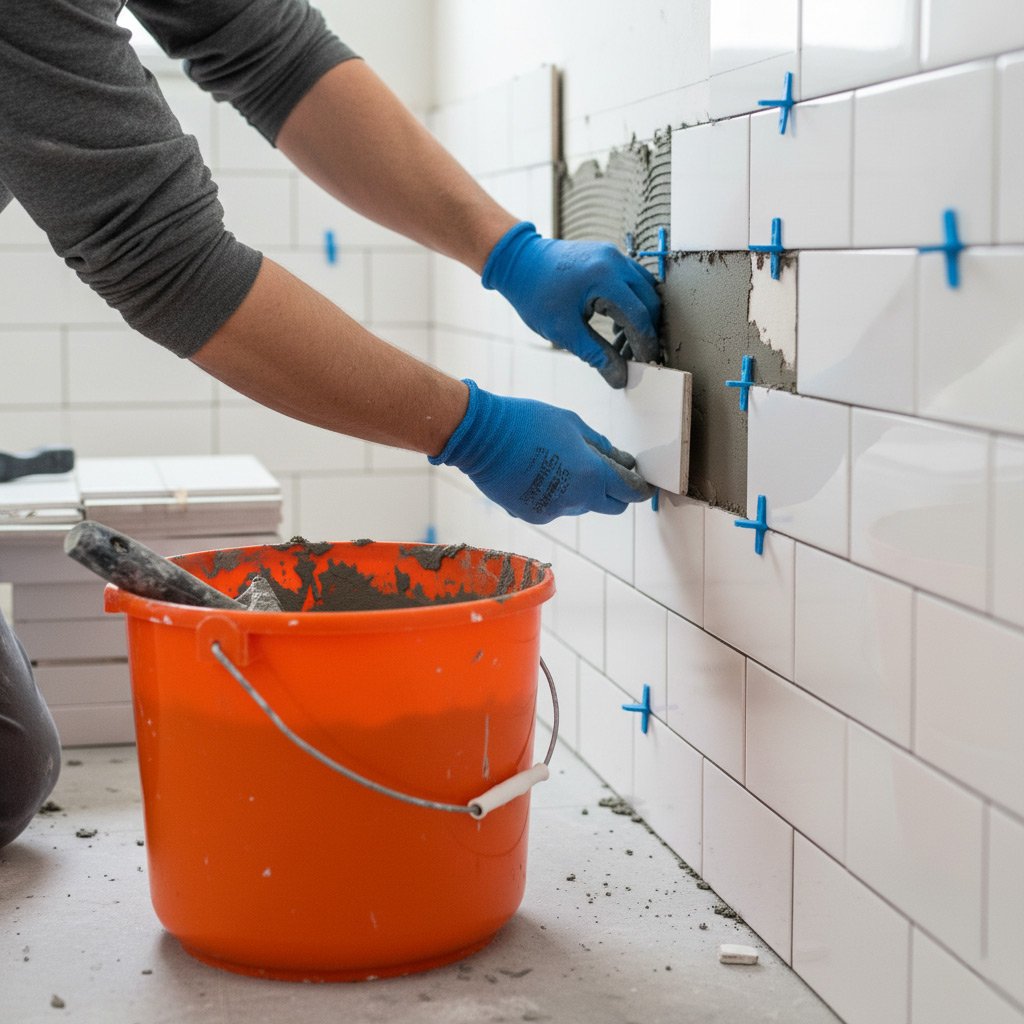
Imagine stepping out of a steamy tub, the desert heat already pounding on the windows, and swapping that clunky porcelain for a sleek, rain‑kissed shower that feels like a spa retreat in your own bathroom.
In Tucson, a tub‑to‑shower conversion isn’t just a facelift—it’s a smart move that can slash water bills, boost your home’s resale value, and finally give you the modern look you’ve been scrolling past on Pinterest.
We’ll break down every step, from checking local codes to picking the perfect tile, so you can avoid costly mistakes and finish the job with confidence. Ready to turn that outdated tub into a show‑stopping shower? Keep reading and discover how.
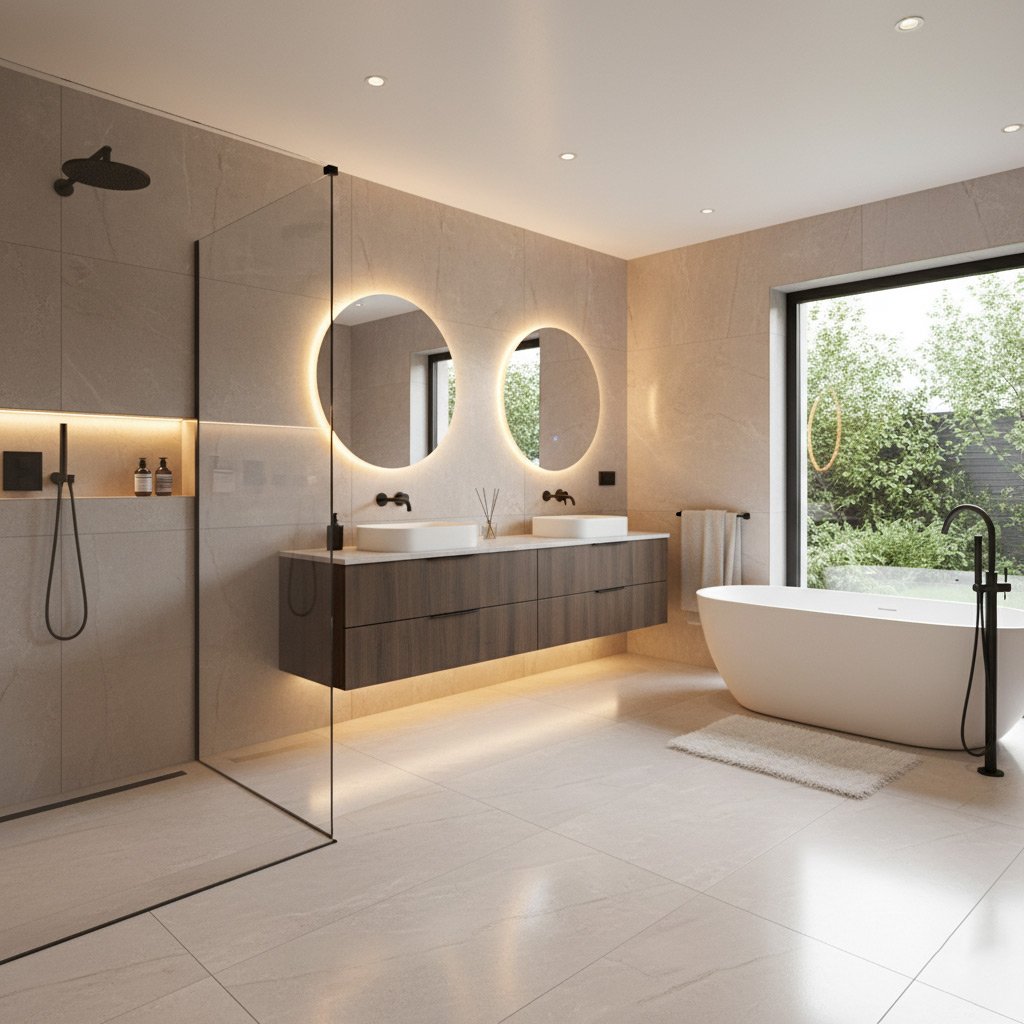
Understanding Tucson Building Codes & Permits for Tub‑to‑Shower Conversions
Before you swing a hammer, Tucson’s city code will tell you what you can and can’t do. Ignoring it can mean a stop‑work order, a hefty fine, or a buyer pulling out at the last minute. Know the rules first and you’ll keep the project moving.
Permit Basics
Every conversion needs a building permit, and most of the time a plumbing permit too. The city’s online portal lets you apply in minutes, but you’ll still have to submit:
- Site plan showing the new shower footprint.
- Details of any structural changes to the floor or walls.
- Plumbing schematics that prove the new drain meets slope requirements.
Once the paperwork is approved, a city inspector will swing by at two key moments: after demolition and after the final tile work. Their stamp of approval is the only thing that makes the conversion legal.
What the Code Actually Says
Tucson follows the 2021 International Residential Code (IRC) with a few local tweaks. The most important points for a tub‑to‑shower swap are:
- Minimum shower floor slope of 1/4 inch per foot for proper drainage.
- At least a 36‑inch clear entry width, unless you’re installing a curbless “walk‑in” shower that meets ADA guidelines.
- Shower walls must be water‑resistant and sealed to a minimum of 24 inches above the floor.
Missing any of these details can delay your inspection and add unexpected costs. Keep a checklist, double‑check each item, and you’ll breeze through the permit process.
Assessing Your Existing Bathroom Layout and Plumbing Infrastructure
Measure the Space
Grab a tape measure and walk the room like you’re scouting a new property. Note the distance from the tub to the vanity, the door swing, and any awkward corners that could bite into a new shower pan.
Sketch a quick floor plan on graph paper or a tablet. Mark the exact location of the current tub and any fixed fixtures—this will reveal whether you have room for a larger shower base or a sleek linear drain.
Inspect the Plumbing
Open the access panel behind the tub to see the supply lines and drain pipe. In Tucson homes built before the 1990s, you’ll often find copper lines that may need a replacement to meet today’s water‑saving standards.
Check the slope of the existing drain. A proper 1/4‑inch‑per‑foot pitch is crucial; otherwise you’ll end up with standing water that defeats the whole conversion.
- Drain location: Is it centered, offset, or tucked into a wall?
- Supply lines: Hot and cold lines should be accessible and in good condition.
- Vent stack: Ensure it’s not blocked; a clogged vent can cause slow drainage.
- Wall studs: Identify any load‑bearing walls that limit where you can place a new shower wall.
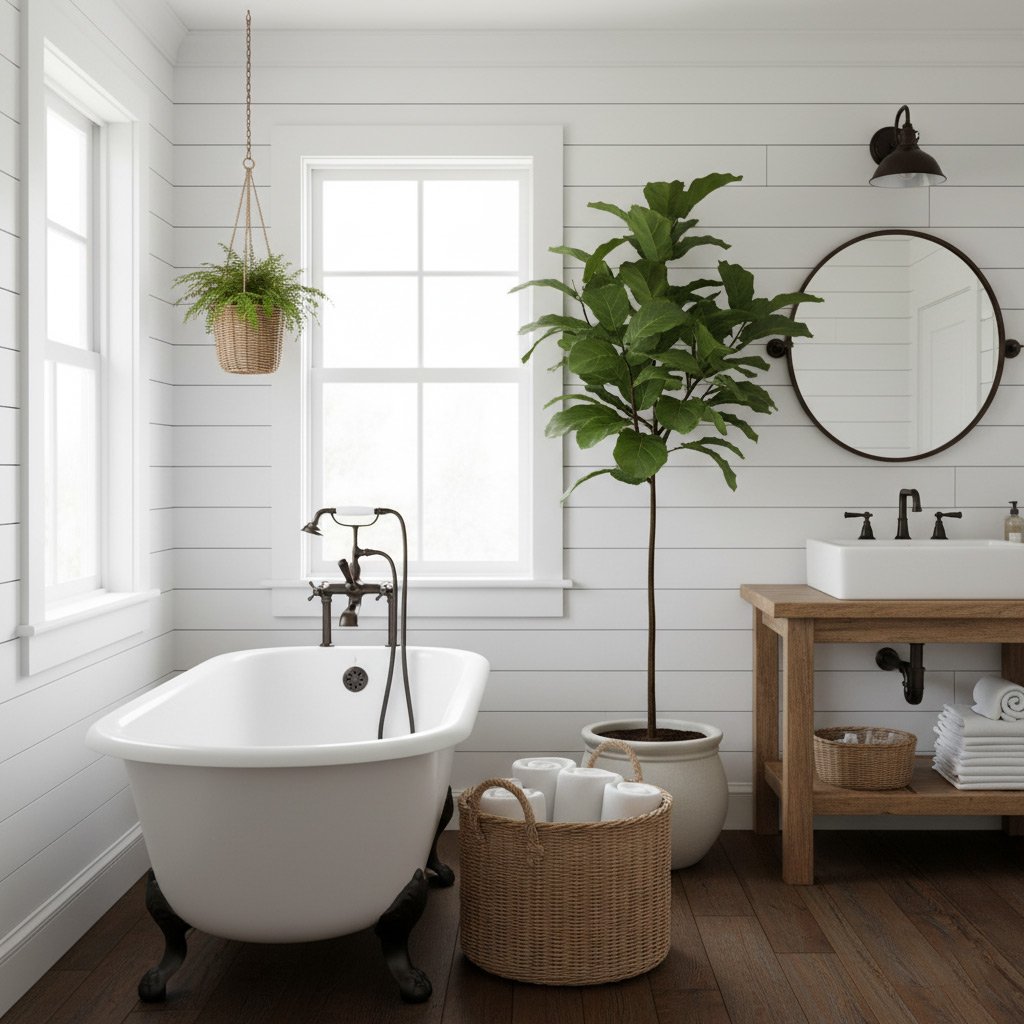
Choosing the Right Shower Style, Fixtures, and Materials for Desert Living
Shower Styles That Beat the Tucson Heat
In a city where the sun blazes 100 °F+ most days, a curbless walk‑in feels like a breath of fresh air. It lets steam escape fast, keeping the bathroom cooler and the floor safe for bare feet. If space is tight, a shower‑tub combo with a low‑profile tray can still give you that open‑feel without sacrificing storage.
Fixtures Built for Water‑Smart Living
Desert dwellers need fixtures that sip water, not guzzle it. Look for a low‑flow rain shower head with a flow rate under 2.5 gpm—still a luxurious cascade, but kinder to your bill. Pair it with a thermostatic valve; it locks in your preferred temperature, so you never get a surprise cold shock when the AC kicks on.
Materials That Thrive in Arid Conditions
Choosing the right surface can save you months of maintenance. Porcelain tile is a classic, but natural stone like travertine adds a desert‑vibe and stays cool underfoot. For a splash of personality, consider a mosaic accent wall that reflects light and hides water spots.
- Floor tile: slip‑resistant, matte finish, preferably rated for wet areas.
- Wall tile: large format tiles reduce grout lines, making cleaning a breeze.
- Shower pan: acrylic or pre‑formed stone resin—both resist cracking from temperature swings.
Budgeting, Cost‑Saving Strategies, and Financing Options in Tucson
Know Your Numbers
Start with a hard‑stop budget. Pull quotes from at least two local contractors, then add a 10 % buffer for surprise costs. In Tucson, labor runs $45‑$70 per hour, so a 50‑sq‑ft shower remodel typically lands between $4,500 and $7,500.
Smart Savings
Trim the price without trimming quality. Choose prefabricated shower pans over custom stone—save $1,200‑$2,000. Re‑use existing plumbing where possible; moving the drain costs $800‑$1,200 extra.
- Tile hack: Large‑format porcelain tiles cover more area with fewer cuts.
- Fixture combo packs often include a valve, showerhead, and trim for a 15 % discount.
- Shop outlet stores in Tucson’s industrial district for overstock at 30 % off.
Financing Paths
Many Tucson banks offer home‑improvement loans with rates under 6 %. If you own the home, a cash‑out refinance can fund the project and lower your monthly payment. For DIY‑savvy owners, a 0 % credit card promo for 12 months can bridge the gap—just pay it off before interest kicks in.
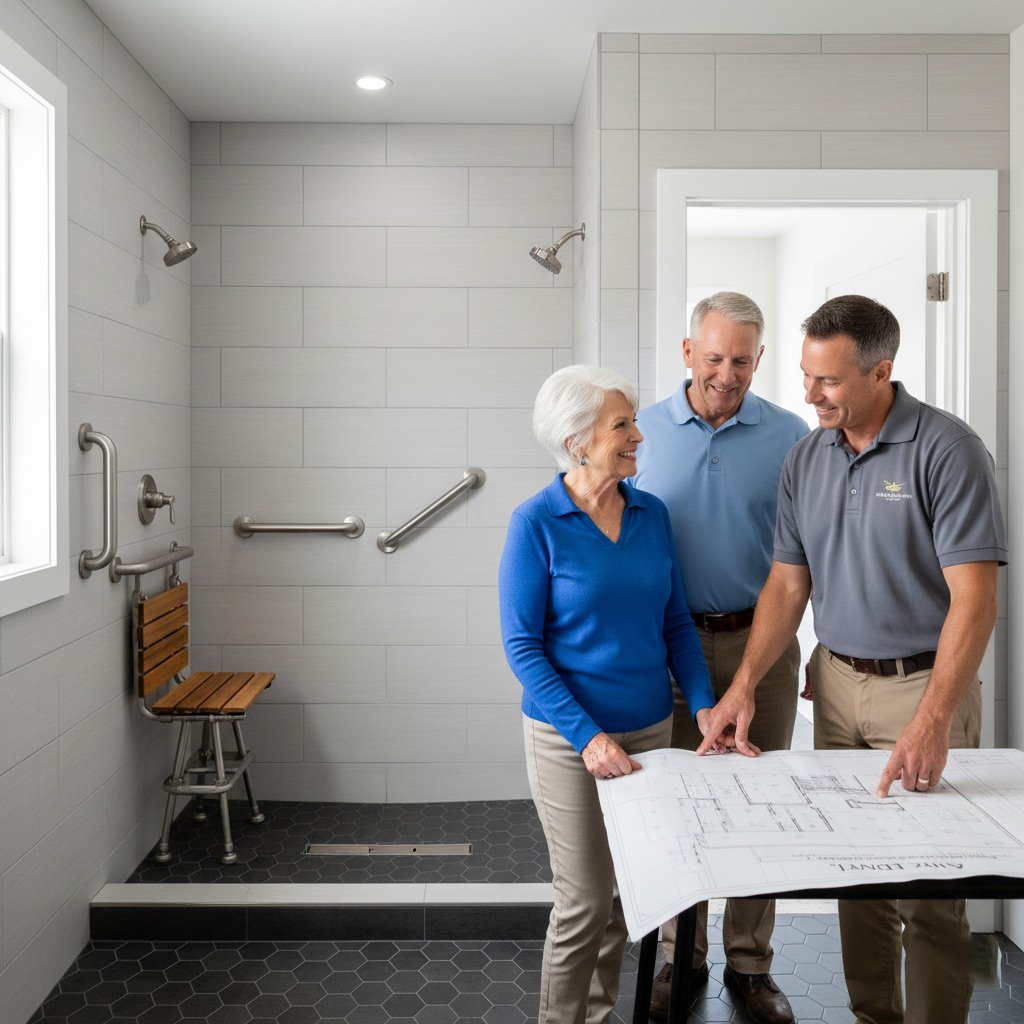
Step‑by‑Step Installation Process: Demolition to Final Tile Grouting
Demolition & Prep
Turn off the water, disconnect the supply, and carefully pry the old tub away from the studs. Scrape out the old mortar, sweep the debris, and inspect the framing for rot or rust before you move on.
Plumbing & Shower Base
Install a pre‑sloped shower pan that meets Tucson code, then run new supply lines to the shower valve at the proper height for a rain‑shower head. Use T‑fittings now so future upgrades won’t require a second demolition.
Framing, Waterproofing & Tile
Frame the walls to suit your tile layout, apply a waterproof membrane with at least a 2‑inch overlap, and start tiling from the center using spacers for even gaps. When the thin‑set sets, remove spacers, grout the joints, and seal the grout to guard against the desert’s dry air.
- Mix thin‑set in small batches—use it within 30 minutes.
- Press each tile firmly; tap with a rubber mallet for a solid bond.
- Check every row with a level before the next one goes down.
Case Study: Transforming a 1970s Tucson Home’s Tub into a Luxury Rain‑Shower Oasis
The Starting Point
When the Martinez family bought their 1970s ranch, the bathroom still featured a cracked, chrome‑rimmed tub that leaked on hot summer days. Water waste was a constant worry, and the space felt cramped under the low‑slope ceiling.
We walked the room and noted three pain points:
- Outdated plumbing that forced a high‑rise water pressure.
- Insufficient drainage causing slow runoff.
- Tile that had faded under the relentless Arizona sun.
Design Decisions
Our goal was a shower that could handle desert heat while looking like a spa retreat. We chose a rain‑shower head with a thermostatic valve to keep water temperature steady, even when the AC kicks on.
Materials were selected for durability and style:
- Large-format, matte porcelain tiles in a warm sand hue.
- Water‑resistant, low‑VOC grout to survive the dry climate.
- Custom glass enclosure with a brushed‑nickel frame to reflect the desert light.
The Payoff
Installation wrapped up in ten days, well under the projected schedule. The Martinez family reported a 30% drop in their water bill within the first month.
Beyond savings, the new shower added instant curb appeal. Real estate agents told us the home’s resale value jumped roughly $12,000 after the upgrade, and the family now enjoys a daily rain‑shower that feels like a desert oasis.
Final Words
By now you’ve seen that a tub‑to‑shower conversion in Tucson isn’t a gimmick—it’s a practical upgrade that pays for itself in water savings, resale boost, and daily comfort. Take the checklist you’ve built and run it past a local pro; a quick call can confirm you’re clear on permits, plumbing quirks, and the best tile that survives the desert heat.
Quick Action Steps
- Verify your permit requirements with the City of Tucson Building Department.
- Measure the existing space and note any structural obstacles.
- Select water‑efficient fixtures that still feel luxurious.
- Set a realistic budget, then add a 10% cushion for surprise costs.
When you’re ready to move forward, remember that the right contractor will treat your bathroom like a showroom, not a job site. They’ll keep the work area tidy, respect your timeline, and leave you with a shower that feels like a private oasis every morning. Need more ideas or want to see other transformations? Check out our Tub to Shower Conversions page for inspiration and next‑step guidance.
People Also Ask
Do I need a permit for a tub‑to‑shower conversion in Tucson?
Yes, Tucson requires a building permit for any plumbing or structural changes, including tub‑to‑shower conversions. The permit ensures compliance with local codes and helps avoid future inspection issues.
How much does a typical tub‑to‑shower conversion cost in Tucson?
Average costs range from $4,000 to $9,000, depending on fixture quality, tile selection, and labor. Opting for prefabricated shower kits can lower expenses while still meeting desert‑friendly standards.
Can I keep the existing plumbing when converting my tub to a shower?
In many cases, the existing drain and water lines can be reused, especially if the new shower is positioned where the tub was. However, a professional assessment is needed to confirm compatibility and code compliance.
What shower styles work best for Tucson’s desert climate?
Low‑maintenance options like tile‑less acrylic or stone‑coated panels resist heat and humidity. Rain‑shower heads and thermostatic valves provide comfortable, consistent water temperature in the desert heat.
Are there financing options for bathroom remodels in Tucson?
Many local contractors partner with lenders offering low‑interest home improvement loans and zero‑percent credit cards. Additionally, Tucson’s Home Improvement Tax Credit can provide further savings.
Tucson Bathroom Remodel specializes in comprehensive bathroom renovations, bringing over a decade of craftsmanship to homes across Tucson. Their team combines local knowledge with skilled trades to deliver functional, stylish spaces tailored to the desert climate. Committed to quality and client satisfaction, they guide each project from design through completion.
Need Bathroom Remodel?
We transform Tucson bathrooms into modern, functional spaces in weeks, not months. Our streamlined process delivers quality finishes fast across zip codes 85701, 85705, 85719, 85658, 85655.
Get Bathroom Quote