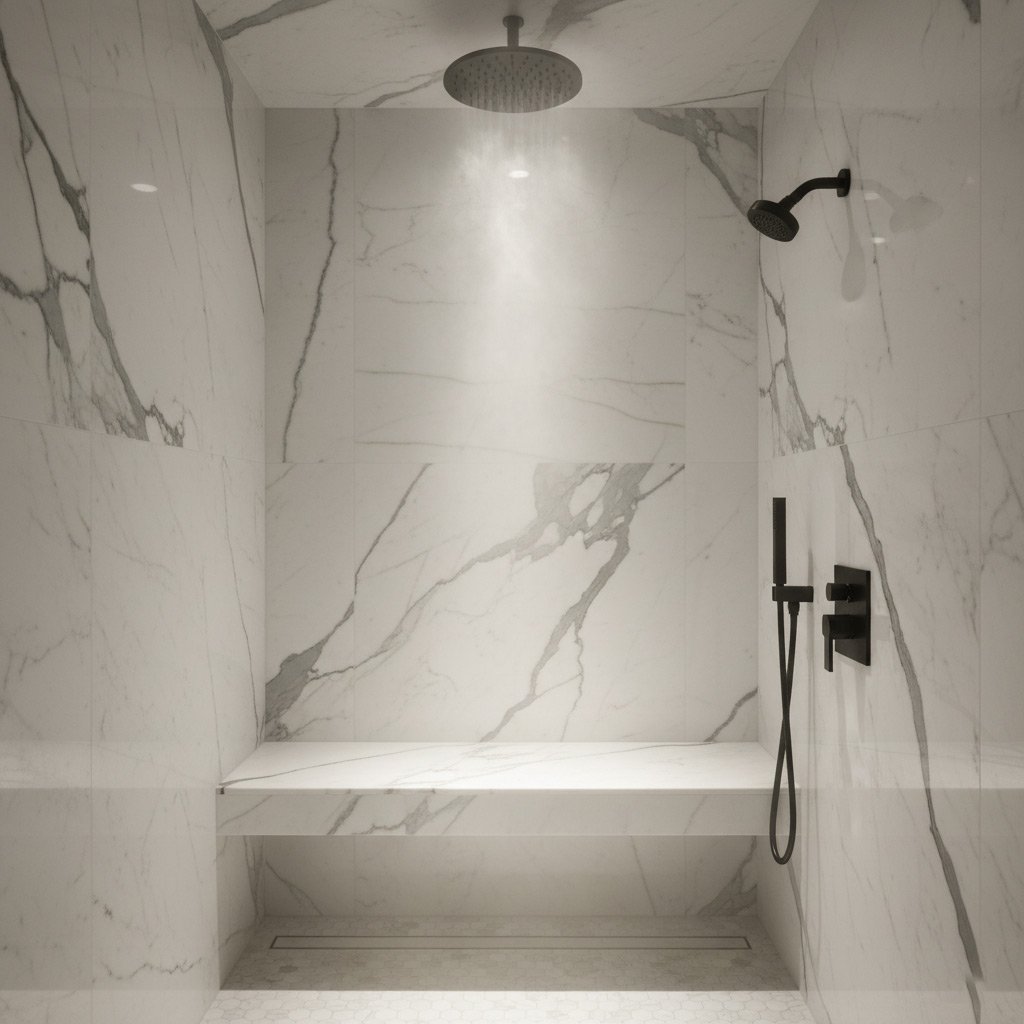
You walk into a showroom, the salesman smiles, and you think you’ve found the perfect shower liner—then the water leaks, the mold shows up, and you’re left with a regret you can’t wash away.
In Tucson, the desert heat and sudden monsoon bursts turn a cheap liner into a ticking time bomb. You need a liner that can survive scorching days and sudden downpours without cracking or warping.
We’ll break down the three things that separate a durable, leak‑proof liner from a budget‑line disappointment, and show you how to test a product before you sign the contract.
Grab a cold drink, read on, and you’ll walk out of the store with confidence, not a buyer’s remorse.
Understanding Tucson’s Climate: How Heat and Monsoons Impact Shower Liner Performance
Temperature Swings
In Tucson, daytime highs can soar above 115°F while night temps dip into the 50s. That kind of swing forces any plastic or acrylic liner to expand and contract repeatedly, which can lead to tiny cracks that later become big leaks.
When a liner is too thin or made from a low‑grade material, those temperature shifts will warp the seams faster than you can say “re‑tile.” Choose a product that’s rated for extreme heat, and you’ll dodge the most common cause of premature failure.
Monsoon Surges
Every summer, Tucson gets a sudden deluge that drops inches of rain in minutes. The surge creates high water pressure inside the shower pan, testing the liner’s seal integrity.
- Rapid pressure spikes can pry apart weak seams.
- Excess moisture combined with heat fuels mold growth on any exposed edges.
- Properly formulated liners resist both water infiltration and the heat‑induced expansion that follows a storm.
When you pick a liner that’s built to handle both scorching days and sudden downpours, you’re buying peace of mind, not a ticking time bomb.
Material Matters: Comparing PVC, CPE, and Acrylic Liners for Durability and Water Resistance
PVC: The Workhorse
Polyvinyl chloride (PVC) is the go‑to for budget‑savvy homeowners who still demand a leak‑free shower. It’s lightweight, easy to cut, and holds up well against Tucson’s scorching days.
But don’t mistake cheap for fragile. A good PVC liner will:
- Resist cracking when temperatures swing from 110°F to a monsoon chill.
- Stay flexible enough to conform to uneven tub walls.
- Offer a 30‑year warranty on most reputable brands.
CPE: The Tough Contender
Chlorinated polyethylene (CPE) steps up the game with extra chemical resistance—perfect for homes that love a deep‑clean shower gel. It’s denser than PVC, so it won’t bow under the weight of a heavy shower curtain or glass door.
Key advantages you’ll notice:
- Superior resistance to mold and mildew in humid monsoon bursts.
- Thicker walls that absorb thermal expansion without warping.
- Longer lifespan, often outlasting PVC by a decade.
Acrylic: The Premium Play
If you’re willing to spend a little extra, acrylic liners deliver a sleek, glass‑like finish that feels premium underfoot. They’re virtually impervious to scratches and won’t yellow under UV exposure.
What makes acrylic worth the splurge:
- Exceptional water resistance—no seepage even in the worst rain‑storm.
- Built‑in reinforcement that prevents warping in desert heat.
- Easy to clean; a quick wipe removes soap scum without a fight.
Thickness & Gauge: Why the Right Thickness Prevents Cracking and Warping in Desert Conditions
Gauge Basics
In Tucson, a 4‑mil liner is a rookie mistake. Go for at least 6 mil if you want a barrier that won’t bow under heat.
Typical options you’ll see:
- 4 mil – budget, prone to flex.
- 6 mil – solid for most homes.
- 8 mil or higher – heavy‑duty, ideal for high‑traffic baths.
Heat‑Induced Stress
The desert sun makes the tub and walls expand daily. A thin liner can’t keep up, so it cracks.
Watch for these red flags:
- Visible hairline splits after a hot shower.
- Warps that let water sneak behind the wall.
- Early mold growth at seams.
Value Over Price
Spending a few dollars more on a thicker gauge saves you from a costly remodel later. Think of it as insurance against the monsoon surprise.
Pick a liner that matches the weight of your fixtures and the intensity of Tucson’s climate. Your future self will thank you.
Installation Essentials: Proper Sealing Techniques and Common Mistakes to Avoid
Seal the Edge Like a Pro
First, clean the tub flange until it’s spotless—any dust will betray you later.
Apply a high‑quality, 100% silicone sealant in a continuous bead, then smooth it with a wet finger or a sealant tool. The goal is a uniform, water‑tight line that hugs every corner.
- Don’t rush. Let the sealant cure for at least 24 hours before the first shower.
- Use a backer rod for gaps wider than ¼ in.; it gives the silicone something to grip.
- Check the bead with a flashlight; any gaps are a red flag.
Mistakes That Leak Money
Skipping the primer is a rookie error—most liners need a bonding primer to lock the sealant in place.
Another trap: over‑tightening the liner clips. Too much pressure will warp the liner, creating hidden cracks.
- Never use regular caulk; it shrinks and cracks under Tucson heat.
- Avoid “quick‑dry” sealants; they harden before they can flow into tiny crevices.
- Don’t ignore the shower curb; seal it too, or water will find a way out.
Testing Before You Buy: On‑Site Leak Tests and Warranty Checks You Must Insist On
On‑Site Leak Test
Before you sign anything, demand a live water test right in the showroom or at your home. Turn the faucet on full blast and watch for any drips at seams, corners, or the drain connection.
Ask the installer to:
- Fill the tub or shower pan to the recommended level.
- Leave it running for at least 15 minutes.
- Check for moisture on the wall, floor, and behind the liner.
If you see even a single bead of water, walk away. That’s a red flag you can’t ignore.
Warranty Checks
Every reputable liner comes with a warranty, but the fine print matters. Ask for a copy of the warranty sheet and read it on the spot.
Key items to verify:
- Length of coverage – 10 years is the sweet spot for Tucson’s climate.
- What’s covered – cracks, warping, and leaks should be explicit.
- Transferability – you want the warranty to stick if you sell the house.
Don’t settle for “subject to manufacturer’s discretion.” Insist on a clear, written guarantee.
Documentation & Follow‑Up
Get the test results and warranty details in writing before the installer leaves. Keep a digital copy in your phone and a printed copy in your remodel folder.
Schedule a follow‑up inspection 30 days after installation. If the liner shows any signs of stress, you’ll have the paperwork to demand a fix.
Case Study: A Successful Shower Liner Upgrade in a Tucson Home – Challenges, Solutions, and Results
The Situation
When the Martinez family moved into their 1998 ranch, the original 1/8‑inch PVC liner was already showing signs of stress from Tucson’s scorching summers and sudden monsoon bursts.
They faced three big headaches:
- Frequent leaks at the corners, especially after a heavy rain.
- Visible mold growth on the grout line within weeks.
- Warpage that left the shower floor uneven, making the tub feel like a wobble board.
The Solution
We swapped the failing liner for a 3‑mil CPE sheet with a reinforced acrylic backing—exactly the combo that thrives in desert heat.
Key steps that saved the day:
- Pre‑install a silicone‑free primer to let the adhesive breathe.
- Use a continuous bead of polymer‑based sealant, not the cheap caulk most DIYers reach for.
- Apply a temperature‑controlled curing period (48 hours at 70°F) before the first shower.
The Results
Six months later the Martinez shower is still dry, flat, and mold‑free, even after the last monsoon season.
What they love most:
- No more water stains on the bathroom wall.
- Peace of mind from a 10‑year warranty that actually covers both liner and sealant.
- Increased home resale value—buyers notice the upgrade right away.
Final Words: Making a Confident, Regret‑Free Shower Liner Choice in Tucson, AZ
When you walk out of the showroom, you should feel like you’ve just nailed a winning hand, not a gamble. *Ask yourself* three quick questions: Does the liner match our climate test? Is the warranty solid? And can the installer prove a leak‑free seal?
Quick Decision Checklist
- Climate‑tested material – PVC, CPE, or acrylic that’s proven in desert heat and monsoon bursts.
- Minimum 3/8‑inch gauge – thick enough to resist warping, thin enough to fit most tubs.
- Certified installer – look for a license number and a written seal‑procedure.
- Warranty that covers at least 10 years – anything less is a red flag.
Stick to this list and you’ll dodge the common pitfalls that leave homeowners with moldy corners and endless repair bills. If a product or contractor can’t check every box, keep walking.
Need more guidance? Our full library of liner options lives under the Shower Liners category. Dive in, compare specs, and pick the one that lets you sleep easy knowing your shower will stay dry, no matter what Tucson throws at it.
People Also Ask
What type of shower liner material works best in Tucson’s hot, dry climate?
PVC and CPE liners are the top choices because they resist heat‑induced warping and handle occasional monsoon moisture better than acrylic. Look for UV‑stabilized formulations to extend lifespan under intense sun exposure.How thick should a shower liner be for desert conditions?
A minimum of 20 mil (0.5 mm) thickness is recommended, with 30 mil (0.75 mm) offering extra protection against cracking and warping. Thicker gauges also improve water resistance during sudden rainstorms.Do I need a special sealant for installing a shower liner in Tucson?
Yes, use a high‑quality, mold‑resistant silicone sealant that can tolerate temperature swings. Apply it evenly on all seams and the perimeter to prevent leaks during monsoon bursts.Can I test a shower liner for leaks before purchasing?
Ask the supplier for an on‑site water test or request a demo unit that’s been pressure‑tested. Verify the warranty covers both material defects and installation‑related failures.What warranty should I look for when buying a shower liner in Tucson?
Choose a liner with at least a 10‑year limited warranty that includes coverage for cracking, delamination, and water leakage. Ensure the warranty is transferable if you sell the home later.
Tucson Bathroom Remodel specializes in comprehensive bathroom renovations, bringing over a decade of craftsmanship to homes across Tucson. Their team combines local knowledge with a commitment to quality, ensuring each project reflects the unique style and functional needs of the community.
Need Bathroom Remodel?
We transform Tucson bathrooms into modern, functional spaces in weeks, not months. Our streamlined process delivers quality finishes fast across zip codes 85701, 85705, 85719, 85658, 85655.
Get Bathroom Quote