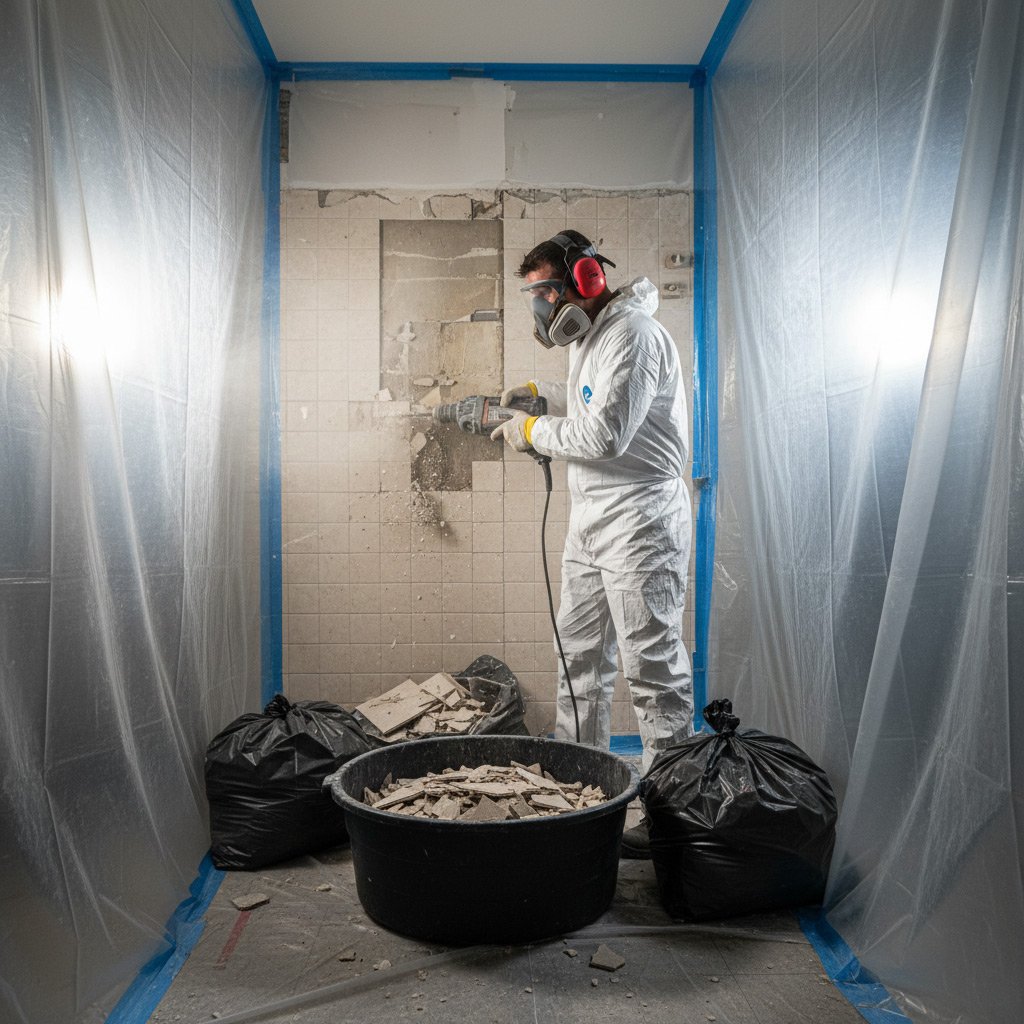
If you think a new shower in Tucson is just a tile swap and a fresh faucet, you’re buying a ticket to a costly surprise.
Most homeowners hear the same sales pitch: “It’s a quick upgrade, no sweat.” What they don’t tell you is how the desert heat, water‑hardness, and local building codes can turn a simple remodel into a money‑draining nightmare.
From hidden plumbing fees to the real cost of a shower that actually survives a Tucson summer, the locals keep these details under wraps because they’ve learned the hard way.
Ready to see the truth behind the glossy brochures and avoid the traps that keep your budget leaking? Keep reading and we’ll pull back the curtain.
How Tucson’s Desert Climate Affects Shower Materials and Longevity
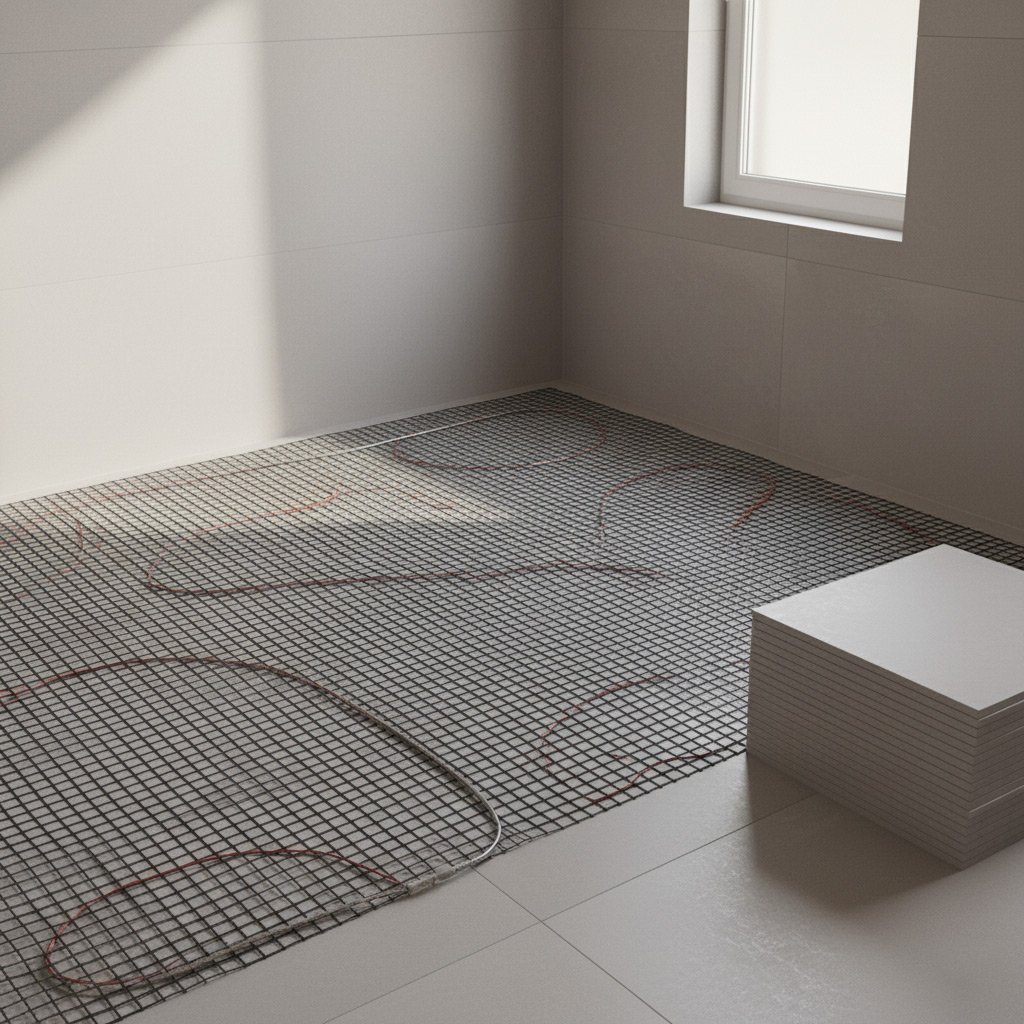
When the sun blazes 115°F outside, the heat seeps into every corner of your bathroom. Tiles and grout that look solid in the showroom will expand, contract, and eventually crack if they can’t breathe. Choosing a material that tolerates temperature swings is the first line of defense against a shower that falls apart after a few summers.
But it’s not just the heat. Tucson’s water is notoriously hard, loaded with calcium and magnesium that love to cling to glass, chrome, and even stone. Those mineral deposits act like sandpaper on fixtures, turning a sleek showerhead into a gritty mess in months. Regular maintenance helps, but the right finish can cut that hassle in half.
Materials that thrive in the desert
- Porcelain tile – dense, low‑porosity, and resistant to both heat and stains.
- Engineered stone slabs – engineered to handle expansion without warping.
- Stainless‑steel or brushed‑nickel fixtures – less prone to spotting from hard water.
- Epoxy‑filled grout – seals out moisture and mineral intrusion.
Navigating Local Building Codes, Permits, and Inspection Requirements
Before you swing a hammer, Tucson’s Development Services Department wants to see paperwork. A building permit isn’t optional—it’s the legal green light that protects you from fines and future resale headaches. The city checks that your shower’s framing, waterproofing, and venting meet the International Residential Code (IRC) as adopted by Arizona.
What the city actually asks for
- Permit application (online or at the office)
- Detailed shop drawings of the shower pan, back‑wall, and any structural changes
- Proof of contractor’s license and insurance
- Water‑efficiency compliance report for new fixtures
Once the permit is stamped, you’ll schedule two inspections: one before you cover the tub, and another after the tile and fixtures are in place. Inspectors are quick, but they’ll stop you dead‑in‑the‑water if the waterproof membrane isn’t sealed to code. That means no shortcuts on the mud bed or the slope toward the drain.
Tips to keep the process smooth
- Ask your remodeler to submit the plans ahead of time—the city often returns them with minor tweaks.
- Keep a copy of every approved drawing on site; the inspector will want to see it.
- Plan for a 2‑week window between the rough‑in and final inspection to avoid costly re‑work.
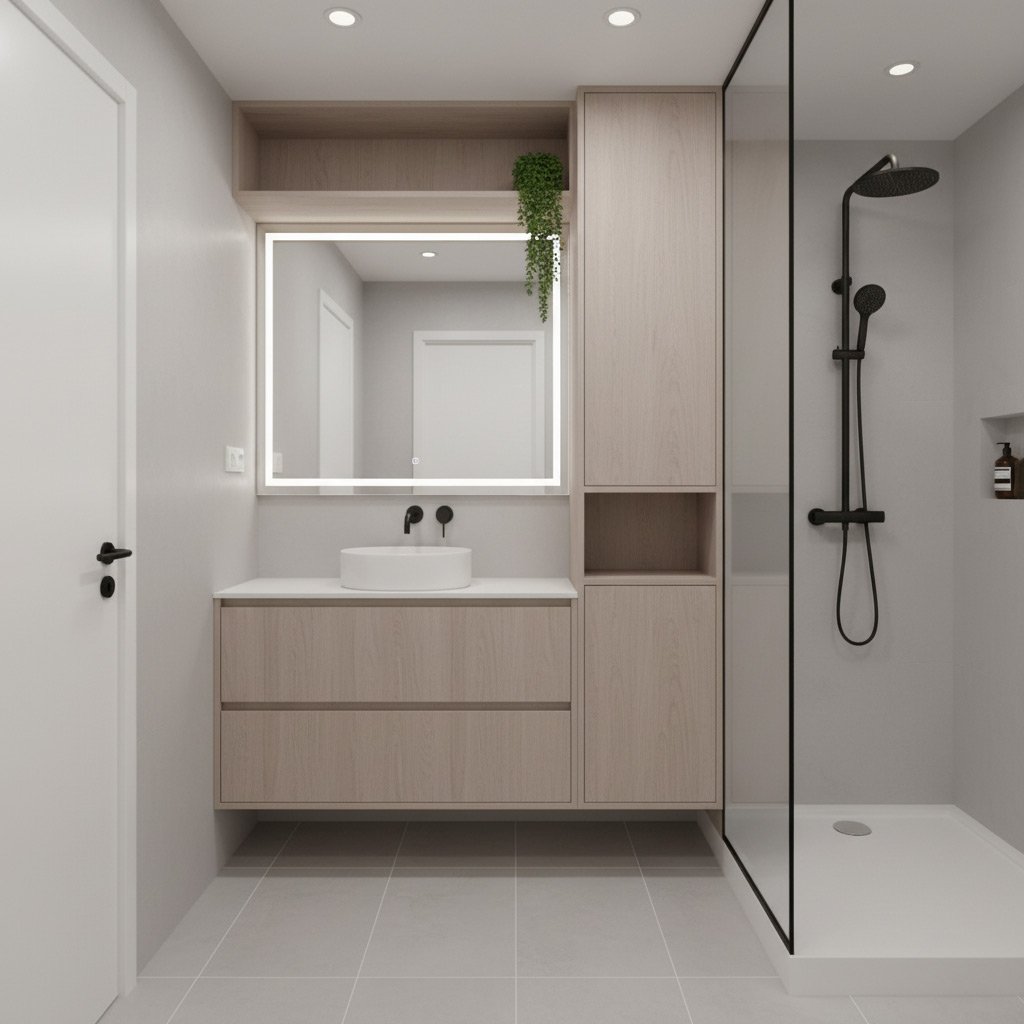
Uncovering Hidden Costs: Plumbing Re‑routing, Drainage, and Water‑Hardness Solutions
Plumbing Re‑routing – the silent budget killer
When you move a shower back a foot, the pipes don’t magically follow. Every extra foot of copper or PEX adds labor, fittings, and the chance of a leak later on. Don’t let a “quick fix” hide the fact that you may need to break through walls, re‑seal joists, and re‑inspect every joint.
Drainage upgrades – more than a simple trap
Desert‑heat expands concrete, and a standard 2‑inch drain can back up when the slab shifts. Upgrading to a larger, linear drain or adding a secondary slope costs $800‑$1,200, plus the time of a licensed plumber. Skipping this step means you’ll be calling a plumber every summer.
Water‑hardness mitigation – the hidden expense that protects your shine
Arizona’s water is a mineral mine; scale builds up on showerheads, tiles, and valves faster than you can say “soap scum.” The two main fixes are:
- Install a whole‑house water softener – $1,500‑$3,000 plus salt and maintenance.
- Fit scale‑resistant fixtures – an extra $200‑$500 per faucet or showerhead.
Both options pay off in fewer replacements and a bathroom that actually looks new after a year in the sun.
Selecting the Right Shower System: Tiles, Fixtures, and Water‑Saving Technologies for Tucson Homes
Tile Choices That Beat the Heat
In Tucson, the sun is relentless, so you need tile that won’t crack under thermal stress. Porcelain or high‑density ceramic with a low water‑absorption rating is the gold standard; it stays cool and resists the desert’s expansion‑contraction cycle.
Look for a matte finish. Glossy surfaces act like a solar panel, heating the shower floor and making every step feel like a sauna. A matte texture also hides water spots caused by hard water.
Fixtures Built for Hard Water
Hard water leaves mineral deposits on every chrome piece, so choose fixtures with a protective coating such as PVD or brushed nickel. These finishes shed scale like a raincoat sheds rain.
Opt for cartridge‑type valves instead of traditional compression valves. They’re easier to service and less prone to leaking when the water’s full of calcium.
Water‑Saving Technologies That Actually Work
Saving water in a desert isn’t a gimmick; it’s a necessity. The right tech can cut usage without sacrificing the feeling of a full‑force shower.
- Low‑flow showerheads with a 2.0 GPM rating – they deliver a strong spray while using less water.
- Thermostatic mixers – keep the temperature steady, preventing the urge to crank the faucet when the water gets too hot.
- Digital flow meters – show real‑time usage so you can train the family to stay under a set limit.
- Recirculating pumps – eliminate the cold‑water wait, saving both water and patience.
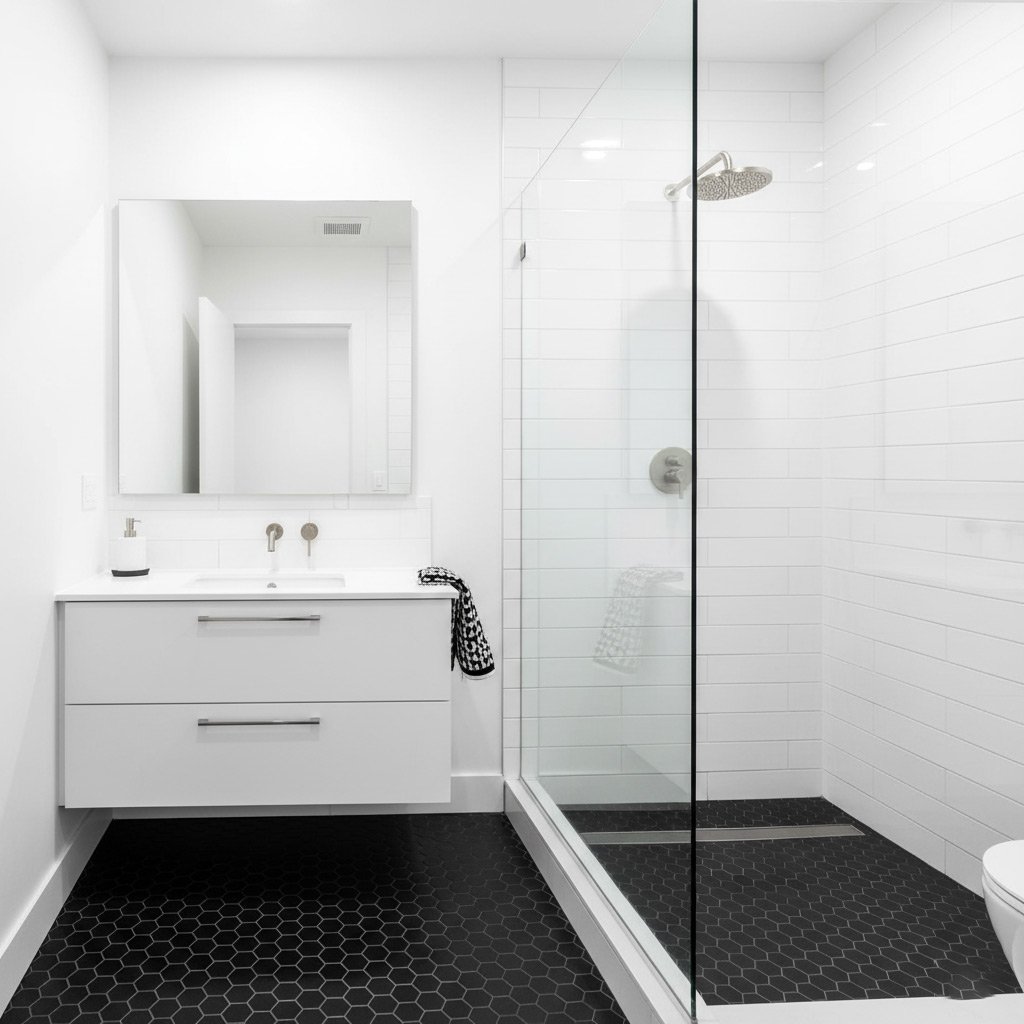
Budget‑Smart Strategies: Phased Upgrades, Material Choices, and Cost‑Cutting Tips
Phased Upgrades
Don’t try to gut the whole bathroom in one go; break the project into bite‑size phases that let you live in the space while you work.
Start with the plumbing skeleton, then move to the shower enclosure, and finish with the finishes. This order keeps the water line secure and avoids costly re‑work.
- Phase 1: Relocate or reinforce supply lines – a $1,200 investment that saves you from a $5,000 surprise later.
- Phase 2: Install a prefabricated shower base – quicker, cheaper, and less prone to cracking under desert heat.
- Phase 3: Add tile, fixtures, and accessories once the core is solid.
Smart Material Choices
Desert conditions demand materials that shrug off heat and hard water without turning your wallet inside out.
Look for products that combine durability with price‑point savvy; you don’t need marble when a high‑grade porcelain tile does the job.
- Porcelain tile – dense, low‑porosity, and resists staining from mineral buildup.
- Fiberglass shower panels – lightweight, easy to install, and can be painted with a heat‑reflective coating.
- Stainless‑steel or brushed‑nickel fixtures – they hold up to the abrasive nature of Tucson’s water.
Cost‑Cutting Tips
Every dollar saved on the surface frees up cash for the hidden costs that always pop up.
Use these tricks to keep the budget lean without sacrificing quality.
- Shop outlet stores or overstock sections for tile and fixtures – you can snag 30‑50% off retail.
- Reuse existing plumbing where possible; a simple reroute can shave $2,000‑$3,000 off the bill.
- Seal all grout and stone yourself with a high‑performance sealer – a weekend job that prevents future water‑damage repairs.
Case Study: Revamping a 1970s Ranch‑Style Bathroom into a Desert‑Ready Shower Oasis
The Starting Point
The original bathroom was a time capsule: cracked ceramic tile, a rusted steel shower pan, and a single‑handle faucet that leaked like a faucet in a desert storm. Water‑hardness stains were already etched into the glass, and the old vent fan barely moved air.
Key problems we uncovered:
- Outdated plumbing that didn’t meet today’s Tucson code.
- Insufficient waterproofing – the slab was soaking up moisture.
- No water‑saving fixtures, driving up the utility bill.
The Renovation Playbook
First, we pulled permits and rewired the vent system to satisfy the city’s inspection checklist. Then we swapped the steel pan for a cast‑in‑place acrylic base that tolerates extreme heat without cracking.
Tile selection mattered. We chose a porcelain tile rated for high‑temperature swings, laid on a cementitious backer board with a waterproof membrane. Fixtures were upgraded to low‑flow, chrome‑finished models that still feel luxurious.
Results That Speak for Themselves
The final cost landed at $22,800 – 15% under the initial estimate because we staged the work in two phases and sourced reclaimed tile at a discount.
Today the shower holds its temperature for hours, the water spots are gone, and the homeowner reports a 30% drop in monthly water usage. That’s the kind of ROI you can actually see in your bathroom mirror.
Final Words
Now that you’ve seen the hidden layers behind a Tucson shower remodel, it’s time to stop guessing and start planning. Every decision you make today saves you time, money, and headaches tomorrow.
Take Action Today
- Grab a copy of the local building‑code handbook and mark the sections that affect shower installations.
- Schedule a water‑hardness test; a simple kit can reveal whether you need a softener or a specialty sealant.
- Ask any contractor for a line‑item quote that separates labor, permits, and material markup.
When you’re ready to move from ideas to reality, browse our New Showers page for proven systems that thrive in desert heat. The right partner will walk you through each step, keeping the budget tight and the results impressive.
People Also Ask
How does Tucson’s desert climate affect the lifespan of shower tiles?
The extreme heat and low humidity can cause grout to crack and tiles to shift if they aren’t rated for high‑temperature fluctuations. Choosing porcelain or ceramic tiles with a low water‑absorption rate helps maintain structural integrity for years.Do I need a permit to replace a shower in Tucson?
Yes, most shower remodels that involve plumbing, electrical, or structural changes require a building permit from the City of Tucson. An inspection must be scheduled after work is completed to ensure code compliance.What hidden costs should I expect when re‑routing plumbing for a new shower?
Re‑routing often uncovers outdated pipe materials that need replacement, and you may need a water‑softening system to combat Tucson’s hard water. Budget an extra 10‑15% for labor, new shut‑off valves, and potential wall repairs.Which water‑saving shower technologies work best in Tucson homes?
Low‑flow showerheads with a flow rate of 1.8 gpm or less, along with thermostatic valves, reduce water use while maintaining comfort in the desert heat. Pairing them with a water‑softener extends fixture life and improves performance.Can I upgrade my shower in phases to stay within budget?
Absolutely—start with essential plumbing and waterproofing, then add tile, fixtures, and accessories later. This phased approach lets you spread costs while still achieving a cohesive desert‑ready shower design.
Tucson Bathroom Remodel delivers expert bathroom renovations backed by over a decade of craftsmanship in the Tucson area. Their team blends local knowledge with meticulous attention to detail, creating spaces that reflect the unique style and climate of the Sonoran Desert.
Need Bathroom Remodel?
We transform Tucson bathrooms into modern, functional spaces in weeks, not months. Our streamlined process delivers quality finishes fast across zip codes 85701, 85705, 85719, 85658, 85655.
Get Bathroom Quote